
What Actually Happens During a Routine AC Service Visit?
By Justin Stredny | June 2, 2026
Summer brings intense heat, making a home cooling system an absolute necessity. Homeowners turn on their units expecting relief from the rising temperatures outside. Achieving that reliable comfort requires much more than simply adjusting the dial on the wall. Over time, mechanical parts wear down, dust accumulates, and overall efficiency drops. People frequently schedule appointments without knowing what the technician actually does behind the scenes. Understanding the entire process demystifies the experience and highlights the true value of professional maintenance.
A thorough inspection covers a checklist of vital system components. Technicians arrive equipped to evaluate, clean, and adjust the machinery that keeps your indoor environment comfortable. This preventative care targets small issues before they escalate into major failures. It extends the operational lifespan of the equipment while keeping monthly utility costs down. Let's walk through the specific steps professionals take during an AC service visit to ensure your system performs well throughout the hottest months.
Inspecting and Replacing the Air Filters
The first step in maintaining a cooling system involves the air filter. Your equipment breathes air in and pushes it out to regulate the indoor climate. It's the primary defense against airborne particles. It traps dust, pet dander, and other debris before they enter the internal machinery. When this barrier becomes clogged, the system struggles to pull in enough air. This restricted airflow forces the blower motor to work harder, consuming excess electricity.
During a routine visit, the technician begins by locating and inspecting your current filter. During an AC service call, they'll check the surface for buildup and assess whether air can pass through freely. If the filter looks dark or congested, they replace it with a fresh one. This basic task instantly restores proper airflow and improves the air quality inside your home. Clean air passages reduce the strain on the motor and allow cooled air to circulate properly through the ventilation network.
Neglecting the filter leads to a cascade of problems deeper inside the machinery. Dust bypasses a compromised filter and coats the blower fan blades. It also settles on the internal coils, insulating them and blocking the transfer of heat. By changing the filter, the technician protects these components from premature degradation. Homeowners should continue this practice independently, checking their filters monthly to maintain the benefits gained from their recent AC service call.
Checking and Tightening Electrical Connections
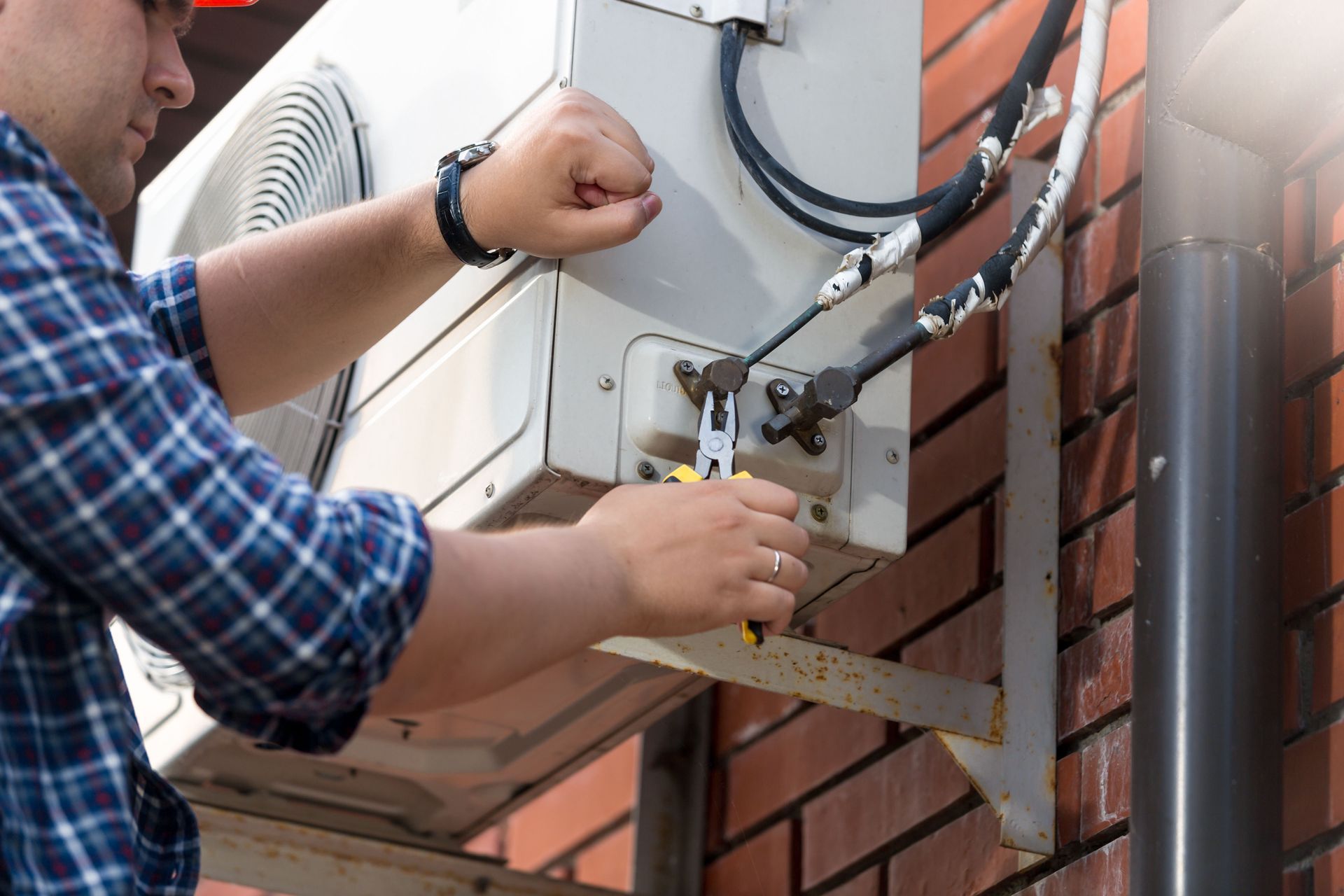
Modern cooling units rely heavily on electrical systems to function. Wires carry large amounts of voltage to power the compressor, motors, and fans. Over time, the constant vibration of the running machinery causes these connections to loosen. Temperature fluctuations also cause metal components to expand and contract, further weakening the contact points. A technician inspects all electrical panels and wiring harnesses to identify loose or frayed connections. Tightening these points prevents dangerous electrical arcing and reduces short circuit risks.
Beyond tightening wires, the professional evaluates the health of critical electrical components. They use meters to measure the voltage and current drawn by the compressor and blower motor. These readings tell the technician if the motors operate within manufacturer specifications. Drawing too much power indicates a failing motor or a mechanical restriction. Addressing these electrical irregularities early prevents the components from burning out completely and leaving you stranded without cool air.
The inspection includes testing components like the capacitor, which acts as a battery, giving the motors the jolt of energy they need to start spinning. This part sustains wear and tear during a long cooling season. Identifying a failing capacitor allows the technician to replace an inexpensive part before it ruins the compressor. However, according to This Old House, when an AC system is less than 10 years old or still under warranty, repairs are usually the most cost-effective option.
Testing and Calibrating Thermostat Settings
The thermostat operates as the control center for your climate control setup. It constantly monitors the ambient temperature and sends signals to the equipment to turn on or off. If the thermostat misreads the room environment, the whole system behaves erratically. The technician begins by verifying that the device communicates properly with the main control board. They check the wiring to ensure secure connections and look for signs of corrosion or dust buildup.
Calibration is the next step in this phase of the process. The professional places a digital thermometer next to your wall unit. They compare the reading on their instrument with the temperature displayed on your screen. If the numbers don't match, the thermostat requires adjustment. A device that's not calibrated might cause the machinery to run longer than necessary, wasting electricity. Conversely, it might shut off too early, leaving your living spaces humid and uncomfortable.
The physical location of the control unit also matters. Technicians assess whether the device sits in a good spot away from direct sunlight or drafty windows. If it's a smart device, the technician performs additional software checks. They verify that the unit connects reliably to the household network and review your programmed schedule. Updating the firmware guarantees the device runs the latest features. A properly synced thermostat ensures your AC service appointment provides lasting benefits.
Cleaning and Clearing Essential System Coils
The core mechanism of cooling relies on heat exchange. Your equipment uses two coils to move heat out of your living space. The indoor evaporator coil absorbs the warmth from your indoor air. The refrigerant then carries this heat outside to the condenser coil, which releases it into the outdoor environment. Both of these components must remain spotless to facilitate efficient heat transfer. Any layer of grime acts as an insulator, trapping the heat and disrupting the cooling cycle.
The indoor evaporator coil resides in a dark, damp environment, making it susceptible to mold and dust buildup. As air passes over the chilled metal fins, condensation forms. If dirt bypasses the air filter, it mixes with this moisture and creates a sludge on the coil. The technician accesses this hidden component and carefully cleans the delicate fins. Removing this dirt allows the metal to absorb heat, dropping the temperature of the air passing through the ductwork.
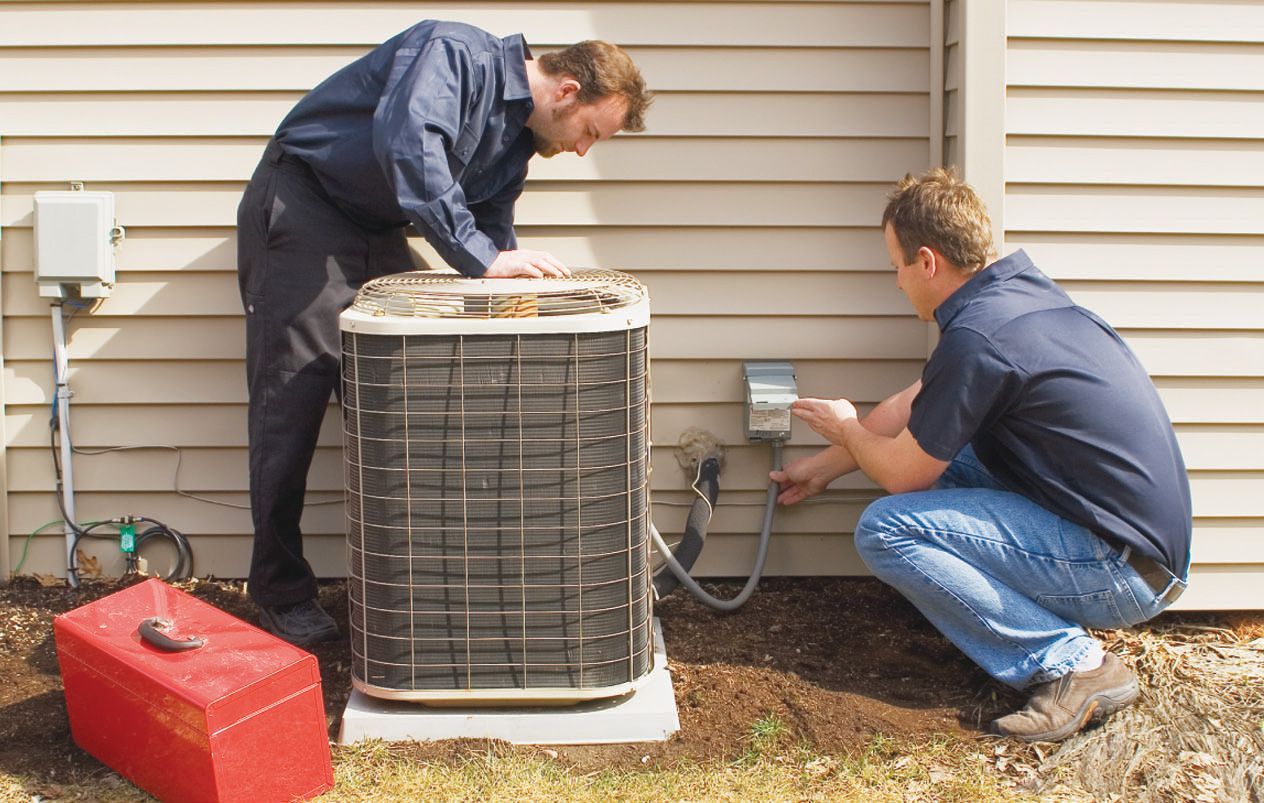
The outdoor condenser coil faces a different set of challenges. Sitting outside year-round, it endures rain, wind, and blowing debris. Grass clippings, leaves, and dirt get sucked into the exterior casing. The professional begins by shutting off the power and dismantling the outer cage to wash away the accumulated grime. After cleaning the metal fins, they clear away encroaching vegetation to create a clearance zone. Unobstructed airflow allows the fan to expel heat efficiently. This attention to detail defines a quality AC service appointment.
Maintaining a comfortable home requires consistent attention to the equipment working behind the scenes. A professional technician does more than turn the unit on and off. They methodically inspect, clean, and test every critical component to ensure peak performance. From swapping out clogged filters to calibrating the thermostat, each step plays a vital role in the overall health of the machinery. This proactive care directly translates to better indoor air quality, consistent temperatures, and lower utility bills.
Skipping regular maintenance often leads to expensive repairs and premature equipment failure. Scheduling an annual AC service visit gives you peace of mind as the hot weather approaches. You know your system's been evaluated by an expert and prepared for the heavy workload ahead.
Don't let the heat catch you off guard. Contact Tom's Quality Comfort Air & Heat to schedule your AC service today and ensure your home stays comfortably cool all season.


Share On: