
5 Critical Steps to Take Before Booking Your New AC Installation
By Justin Stredny | August 5, 2026
Preparing for a brand-new cooling unit involves far more than simply selecting a model and scheduling a contractor to arrive at your doorstep. A truly successful setup requires careful evaluation, practical planning, and a clear understanding of your unique household needs. When you take the time to organize every detail prior to your AC installation, you set the stage for a seamless transition that maximizes indoor comfort and operational efficiency for years to come.
Taking proactive measures allows you to avoid common pitfalls, such as unexpected costs, improper equipment sizing, or prolonged installation delays. From evaluating spatial limitations to establishing a realistic budget, every decision contributes to the long-term reliability of your equipment. A methodical approach ensures that your primary focus remains on long-term performance, indoor air quality, and overall energy savings rather than dealing with preventable headaches down the road.
1. Evaluating Household Cooling Requirements
Assessing Spatial Layouts and Airflow
Every home presents a unique architecture that directly impacts how air circulates from room to room. Multi-story properties often experience uneven temperatures due to rising heat, requiring specific zoning strategies to balance the climate across all levels. Open-concept living areas present a different challenge, as vast open spaces require proper vent placement to prevent warm pockets from forming in hard-to-reach corners.
Understanding your home layout helps determine the precise cooling capacity necessary to maintain a uniform temperature with your AC installation. Factors such as ceiling height, window orientation, and wall insulation play vital roles in heat gain throughout the day.
Calculating Appropriate System Sizing
Choosing a cooling unit with the proper output rating is critical for operational efficiency and system durability. An undersized unit will run continuously without reaching the desired temperature, causing excessive wear on key components while driving utility bills skyward.
Calculating total thermal loads involves evaluating square footage, local climate patterns, shadow coverage, and daily sun exposure. Professional load calculations provide precise figures to ensure your new unit matches your living space perfectly. Achieving this balance protects your financial investment while maintaining a consistently pleasant indoor environment throughout the hottest months of the year.
2. Exploring Modern System Features
Balancing Performance and Efficiency
Modern cooling units incorporate advanced engineering designed to minimize power usage while delivering consistent climate control. High-efficiency models feature variable-speed compressors and improved coil designs that adjust cooling output dynamically based on real-time demands.
These efficient systems, often denoted by SEER ratings, ensure cooler homes without unnecessary energy expenditure. Given that two-thirds of U.S. households use central AC or a central heat pump as their main AC equipment, according to U.S. Energy Information Administration, shifting toward energy-efficient systems can collectively reduce environmental impacts. Selecting equipment built around these modern performance standards yields immediate comfort and long-term utility savings.
Evaluating Smart Control Options
Integrating smart technology into your home climate setup offers exceptional control over daily energy consumption. Smart thermostats and connected controls allow homeowners to establish custom schedules, adjust settings remotely via mobile applications, and monitor energy usage patterns in real time. These automated tools make it easy to reduce cooling output when the home is unoccupied without sacrificing comfort upon your return.
In addition to convenience, connected systems often feature built-in diagnostic monitoring that detects performance irregularities early. Automated alerts notify you when air filters need changing or when system operational metrics deviate from normal ranges. Investing in these digital features elevates everyday convenience and helps catch minor mechanical issues before they turn into costly service disruptions.
3. Managing Expenses and Installation Budgets
Estimating Initial Investment Costs
Creating a thorough budget requires looking beyond the price tag of the physical cooling unit itself. Initial expenses include the cost of the main equipment, specialized installation labor, necessary mounting hardware, and potential electrical upgrades. Depending on the age of your property, you may also need modifications to existing ductwork or structural framing to support the new setup securely.
To ensure your financial plan remains accurate, request detailed itemized estimates that break down all hardware, labor, and permit fees. Comparing multiple professional quotes provides a realistic view of local market rates and helps eliminate surprise charges on the final invoice. Clear financial planning guarantees that your project stays within reach without compromising on equipment quality or workmanship.
Factoring Long-Term Operational Costs
Long-term financial planning should always account for ongoing operational expenses, including monthly electricity usage and routine professional servicing. Higher-efficiency units generally carry a higher upfront purchase price, but they yield significant monthly savings over their multi-year lifespan. Balancing initial capital outlay against anticipated utility bills provides a true picture of total ownership costs.
Additionally, setting aside a small annual reserve for routine maintenance and filter replacements ensures your equipment operates at peak efficiency year after year. Regular professional checkups prevent unexpected component wear and keep operational costs predictable.
4. Selecting Professional Service Providers
Verifying Credentials and Coverage
Partnering with a fully licensed, bonded, and insured contractor is essential for protecting your home and investment. Proper licensing guarantees that the technicians working on your property have undergone rigorous technical training and possess up-to-date knowledge of local building codes. Insurance coverage protects you from financial liability in the rare event of accidental property damage or jobsite injuries during the project.
Before committing to an AC installation contract, ask for proof of active licensing and current insurance certificates directly from the company. Verifying these credentials provides confidence that the work will meet strict industry standards and local regulatory requirements. Entrusting your home to qualified professionals safeguards your property and guarantees a high standard of craftsmanship.
Reviewing Expertise and Performance Guarantees
An experienced contractor brings valuable technical expertise that extends far beyond basic mechanical setup. Seasoned professionals understand how to navigate complex spatial constraints, optimize airflow distribution, and troubleshoot unexpected structural challenges seamlessly. Evaluating customer feedback, industry certifications, and past project portfolios offers valuable insight into a contractor's work ethic and reliability.
Furthermore, reputable service providers back their work with comprehensive labor warranties and written satisfaction guarantees. Clear contractual guarantees demonstrate a company's commitment to quality and provide recourse if post-job adjustments are required. Selecting a contractor that stands firmly behind their labor ensures long-term peace of mind and reliable system operation.
5. Preparing Property for Service Day
Clearing Access and Placement Zones
Preparing your property prior to the arrival of the service crew speeds up the setup process and protects your belongings. Indoors, clear pathways leading to utility closets, basements, or attic spaces, moving furniture, decorations, and household clutter out of the way. Providing wide, unobstructed access allows technicians to transport heavy machinery and specialized tools safely through your home.
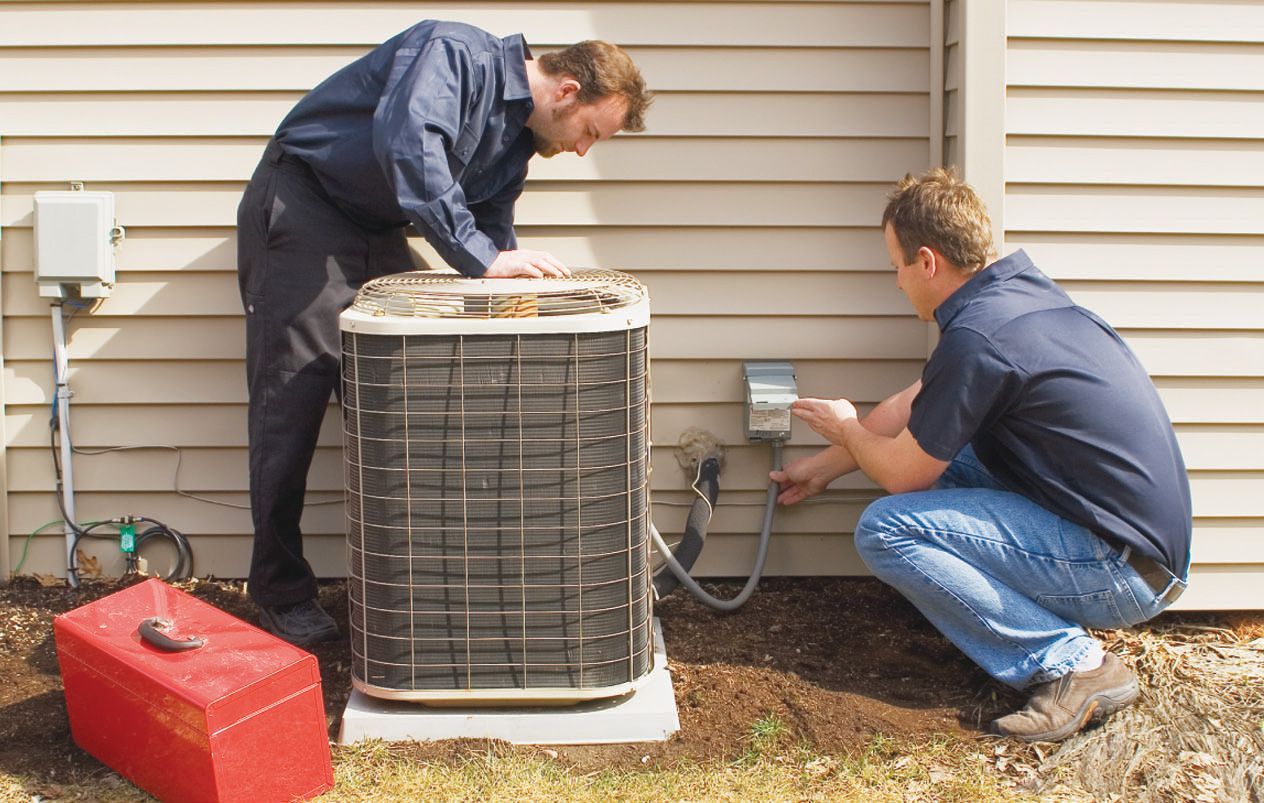
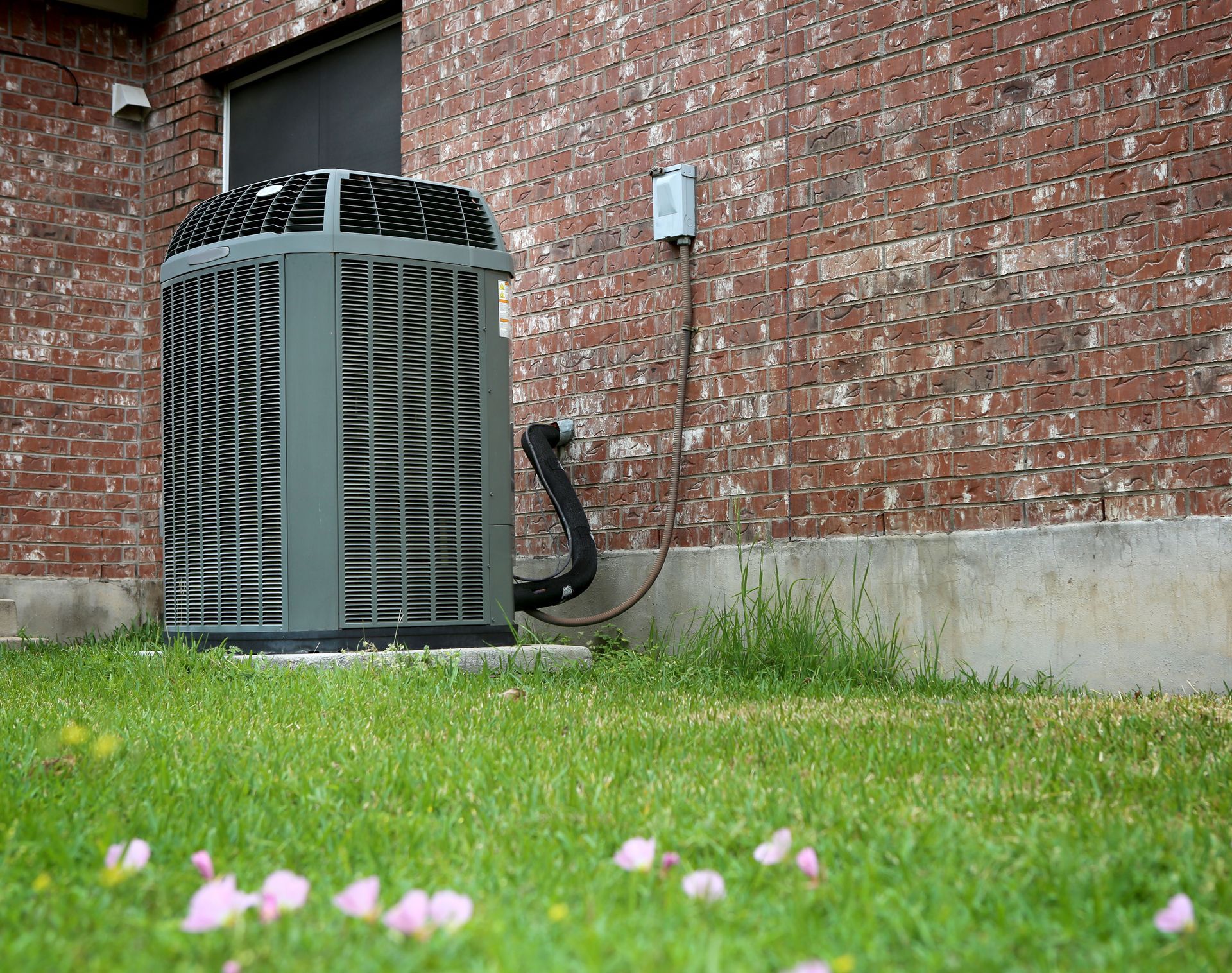
Outdoors, prepare the designated pad area by trimming back overgrown vegetation, removing leaves, and clearing away garden debris. A clean perimeter around the outdoor condenser unit ensures adequate breathing room for proper airflow and gives technicians ample space to perform their work safely. Proper site preparation prevents accidental damage to personal property and helps the crew complete the job efficiently.
Securing Electrical and Safety Access
Smooth service execution relies on having reliable electrical infrastructure ready for immediate connection. Technicians must access your primary electrical panel to verify breaker capacities, inspect wiring safety, and install dedicated disconnect switches if required. Ensuring the main service panel is clear of obstacles allows the team to perform necessary safety checks without delay.
It is also beneficial to arrange temporary comfort measures for family members and pets during the work window. Because power to heating and cooling circuits will be turned off during the setup, indoor temperatures may rise temporarily on warm days. Keeping pets in a quiet, secured room and setting up portable fans in living areas minimizes disruption while technicians complete the essential electrical connections.
Finalizing your setup timeline represents the last major step in transforming your home's indoor climate control. When you are ready to book your AC installation, clear communication regarding start times, expected project duration, and site cleanup guidelines ensures everything runs smoothly.
Working with an experienced team guarantees that your
AC installation is executed with precision, safety, and attention to detail. Professional technicians verify all electrical connections, calibrate thermostats, and test system airflow to ensure flawless performance from day one. To experience unmatched indoor comfort and reliable climate control tailored specifically to your home, contact Tom's Quality Comfort Air & Heat today to schedule your consultation.


Share On: