
How a Professional AC Company Prepares Your Unit for Winter
By Justin Stredny | October 5, 2026
As autumn settles in, homeowners begin shifting their focus from cooling their homes to warming them up. You might be tempted to simply turn off your cooling system and forget about it until spring. However, neglecting your cooling equipment before the cold weather hits can lead to premature wear and tear. Freezing temperatures and harsh winter elements pose a serious threat to exterior components left unprotected. Preparing your cooling system properly ensures it survives the off-season without developing costly issues.
Doing the job yourself might seem like a good way to save a few dollars, but inexperienced handling often leads to overlooked maintenance steps. A reputable AC company knows how to spot subtle signs of damage and address them before they turn into major repairs. Bringing in seasoned technicians guarantees that all delicate parts receive the attention they need. We will explore the specific steps professionals take to protect your cooling equipment during the coldest months of the year.
Inspecting the System for Hidden Damage
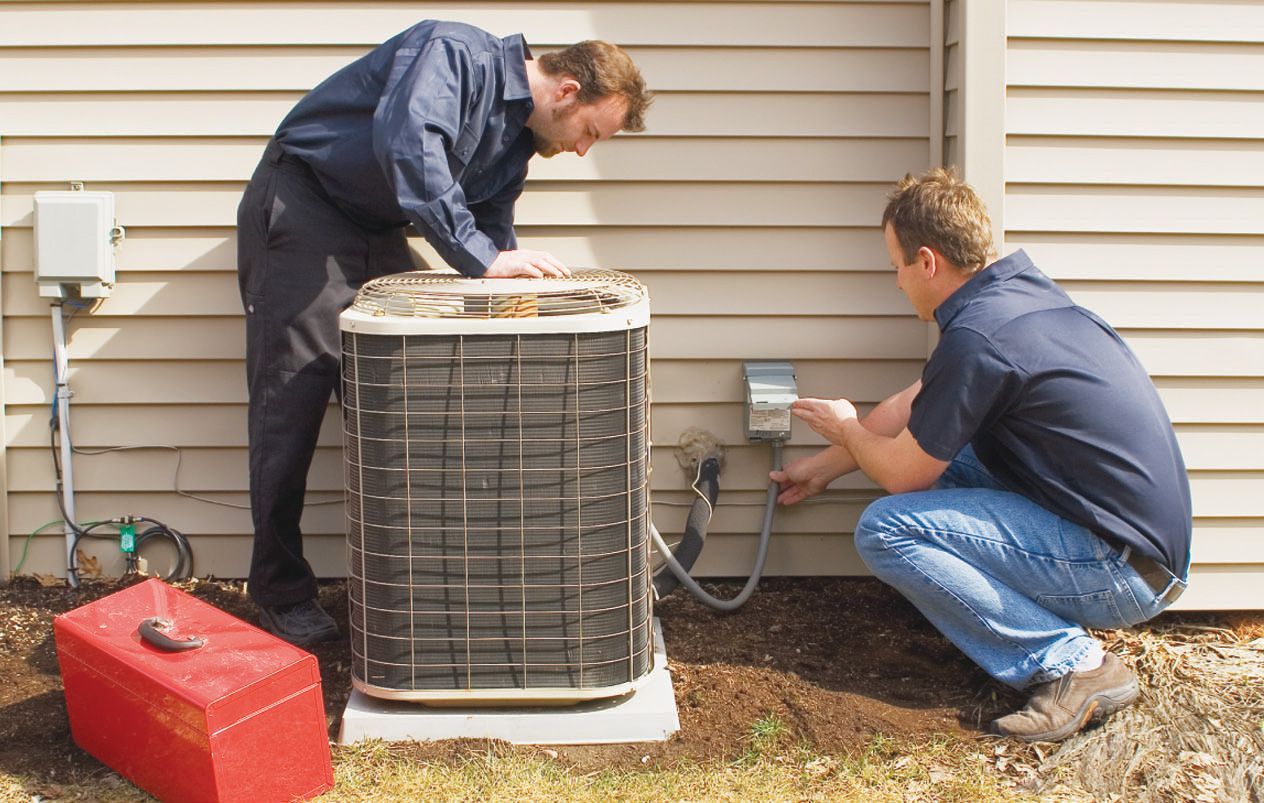
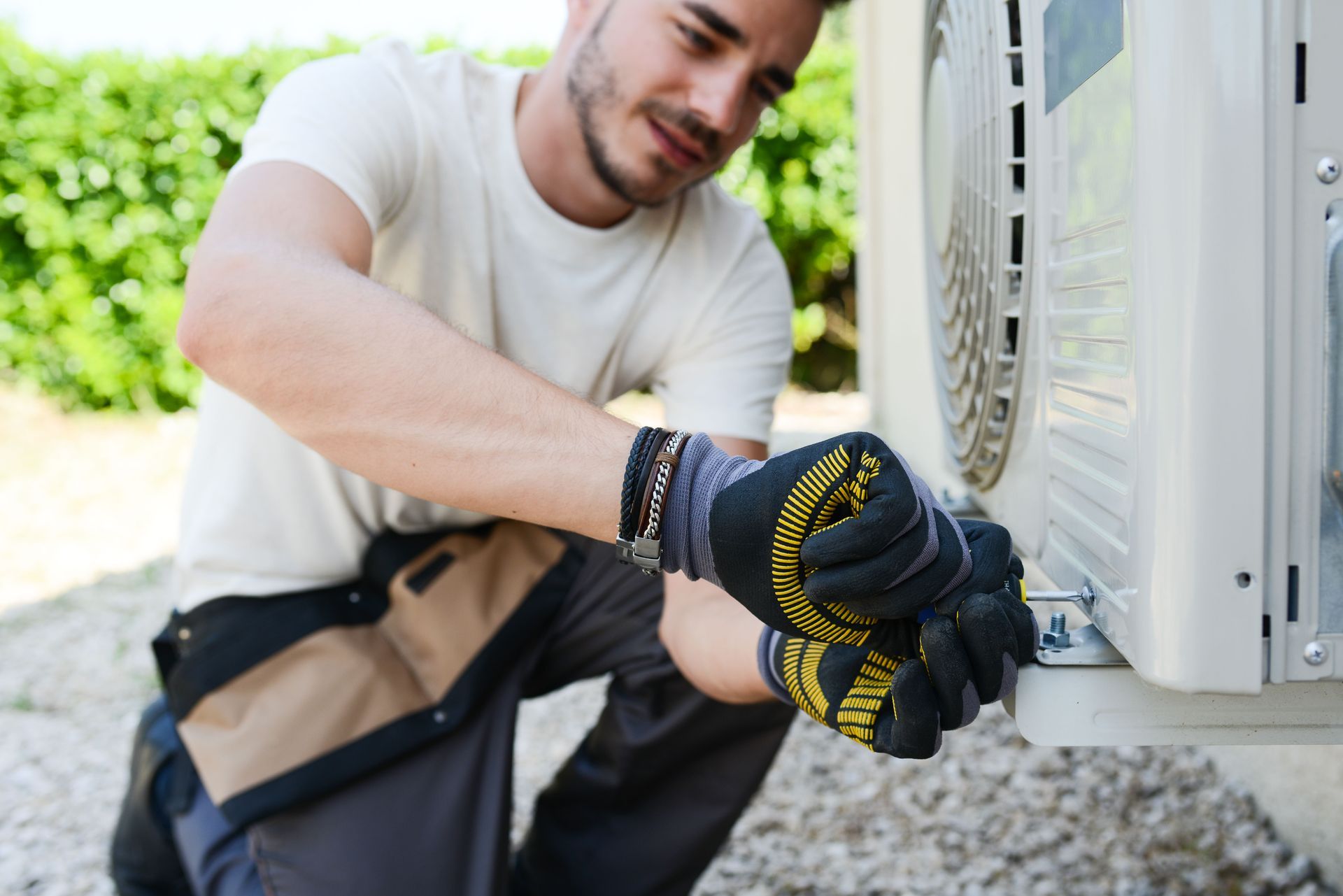
The first step professionals take involves a thorough evaluation of your whole cooling setup. During a long, hot summer, your equipment works hard to keep your living space comfortable. This continuous operation inevitably causes minor wear on belts, motors, and electrical connections. Technicians know how to identify these small problems and resolve them quickly. Catching a fraying wire or a loose belt now prevents those parts from failing when you finally restart the system next spring.
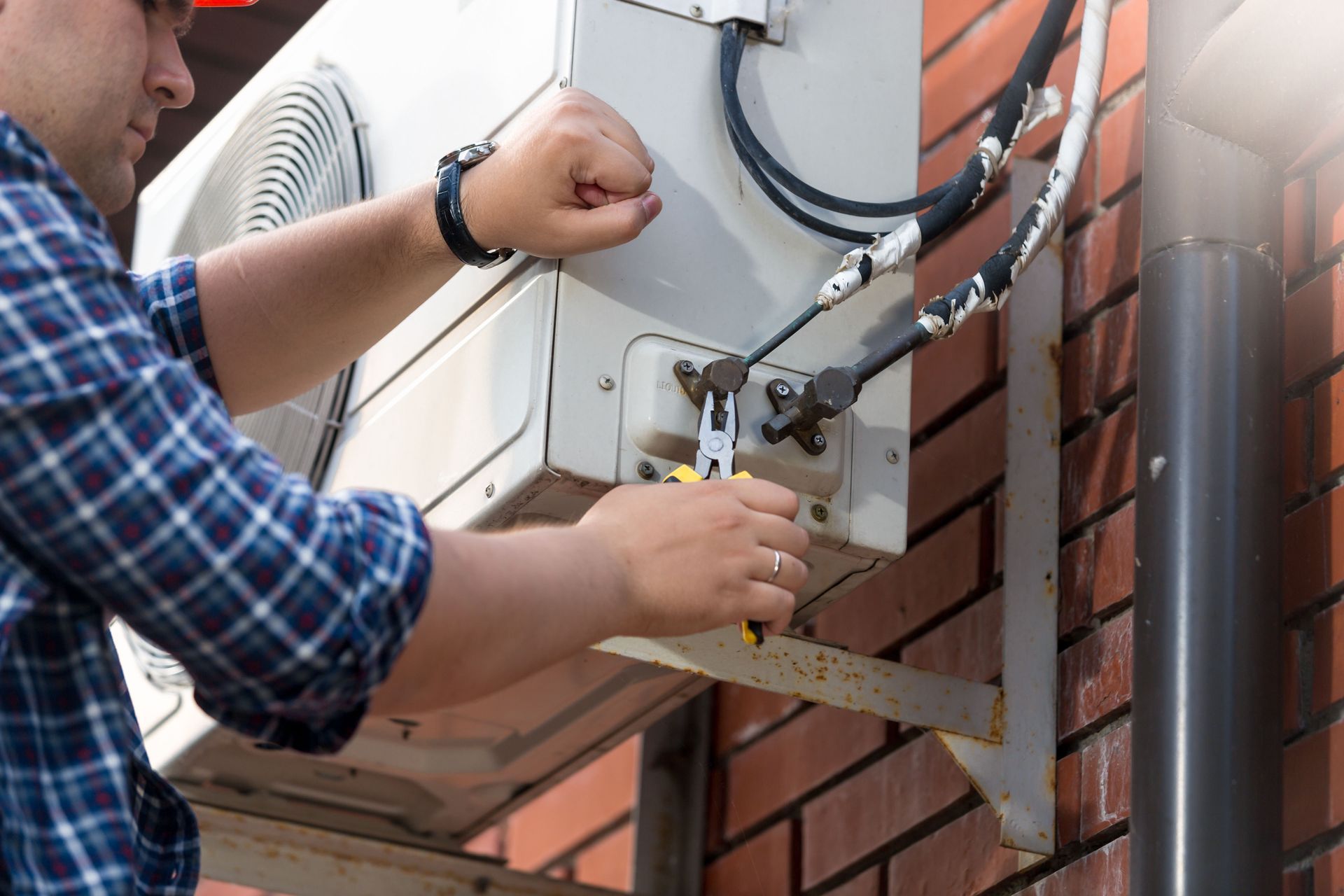
While you might only look at the exterior panels, technicians open up the cabinet to examine the internal mechanisms. They check the refrigerant lines for any slow leaks that might have developed during the heavy summer usage. Identifying leaks is critical because low refrigerant levels force the compressor to work harder than necessary. Resolving these issues early protects the compressor from burning out. Technicians also evaluate the blower motor and its surrounding parts for adequate lubrication and smooth operation.
Electrical components also receive careful scrutiny during this initial phase. Wires can loosen over time due to the natural vibrations of a running motor. A professional will tighten every connection and measure the voltage running to the capacitors and relays. Faulty electrical connections not only reduce efficiency but also present a fire hazard if left unchecked. A trained technician ensures your wiring remains safe and secure throughout the long winter downtime.
Cleaning the Components for Peak Performance
Once the evaluation finishes, an AC company shifts its focus to removing built-up grime. Dirt and debris are the enemies of efficient cooling equipment. During the summer, the outdoor unit pulls in grass clippings, leaves, dust, and pollen. Debris coats the condenser coils and restricts airflow. When airflow is blocked, the system struggles to transfer heat effectively. Technicians use specialized tools and non-corrosive cleaning solutions to gently wash away this stubborn layer of dirt without bending the delicate coil fins.
The indoor components require just as much attention as the outdoor machinery. The evaporator coil often collects indoor dust, pet dander, and other airborne particles. A dirty evaporator coil loses its ability to absorb heat from your indoor air. Technicians carefully brush the coil clean to restore its heat transfer capabilities. They also clean the blower fan blades, which can accumulate heavy layers of dust that throw the fan off balance and cause noisy operation.
Air filters represent another crucial cleaning step. While homeowners can easily change basic filters, technicians often upgrade them or clean reusable ones during a seasonal visit. A clogged filter restricts airflow to the point where the blower motor can overheat. Starting the winter with a fresh filter ensures that your indoor air quality remains high, especially when cooling and heating systems share the same ductwork. Clean filters also keep dust from settling back onto the freshly cleaned coils.
Securing the Exterior From Harsh Weather
With the system inspected and cleaned, technicians move on to weatherproofing the outdoor unit. Winter weather brings snow, freezing rain, and falling ice that can easily dent the fragile fins or damage the fan motor. Many homeowners mistakenly wrap their entire outdoor unit in a plastic tarp. This DIY approach traps moisture inside the cabinet, which accelerates rust and provides a cozy shelter for rodents seeking warmth. Professionals know how to protect the equipment without causing these unintended consequences.
According to the U.S. Energy Information Administration, about 50% of households in the American Northeast use individual AC units. Because these individual outdoor units face severe winter storms, they require specialized covers. Technicians typically install a breathable cover made of durable canvas or vinyl. These covers protect the top of the unit from falling icicles and heavy snow accumulation while allowing air to circulate around the sides. This airflow prevents condensation from forming and rusting the internal parts.
In addition to breathable covers, technicians might place a piece of sturdy plywood over the fan grille. This simple but effective method provides structural protection against heavy ice chunks that might fall from roof eaves. The wood acts as a solid barrier, preventing the metal fan blades from bending under the weight of snow. Professionals secure the board tightly so strong winter winds cannot blow it away and cause damage to nearby property.
Calibrating the Thermostat for Energy Efficiency
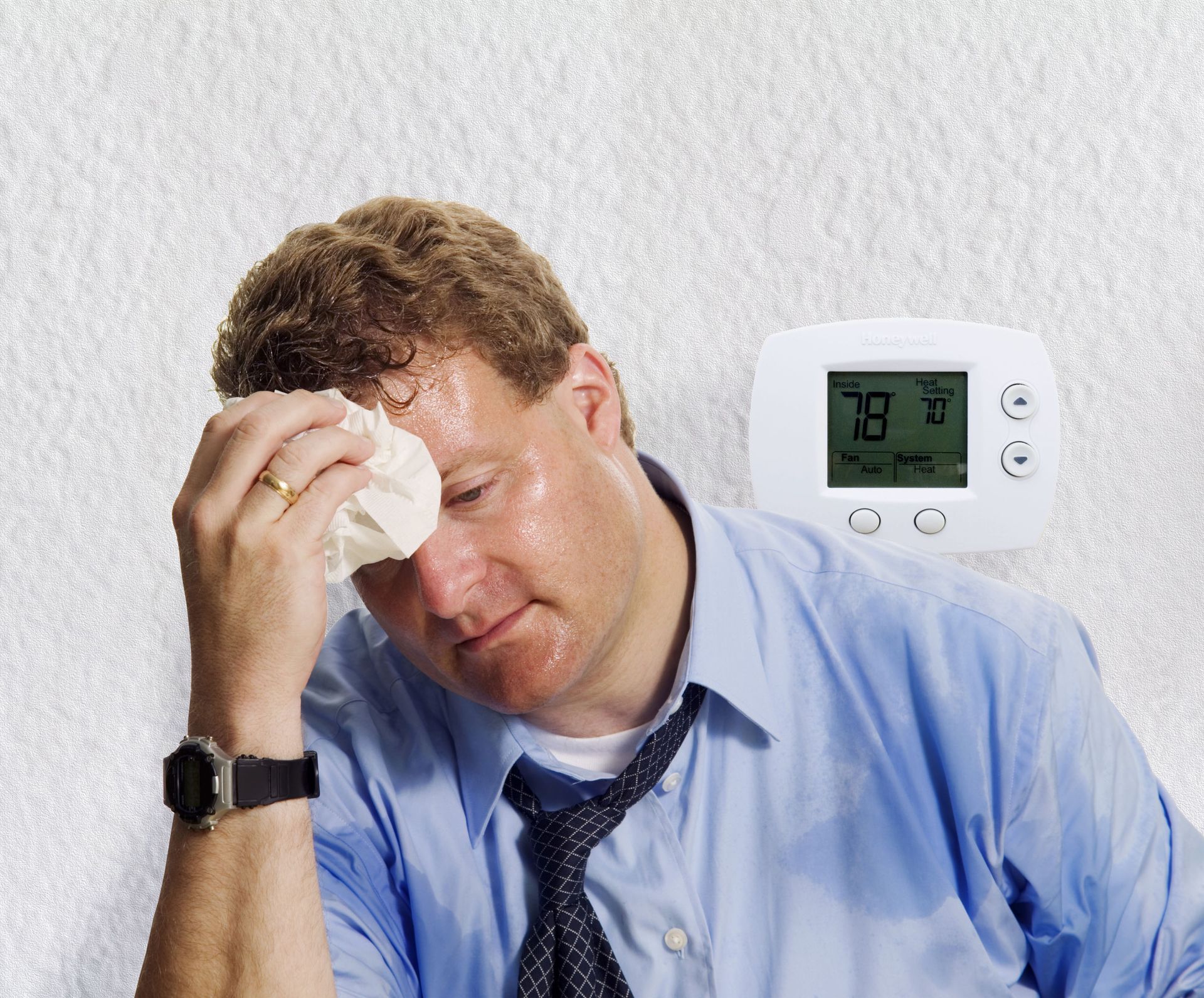
The final step involves transitioning your indoor controls for the upcoming heating season. A qualified technician ensures your thermostat communicates properly with your furnace or heat pump. Technicians check the thermostat calibration to verify it reads the indoor temperature accurately. If the sensor is off by even two degrees, heating systems will run longer than necessary, driving up winter utility bills. Proper calibration keeps your home comfortable and your energy usage low.
Programming the thermostat schedule is another vital part of this transition. You don't want to heat an empty house when you're away at work. An AC company can help you set up energy-saving schedules that lower the temperature while you sleep or leave the property. They also replace the batteries in your thermostat so the screen doesn't go blank during a cold snap. This small detail prevents annoying disruptions.
If you still rely on an older manual thermostat, technicians often recommend upgrading to a smart model. Smart thermostats learn your daily routines and adjust the climate automatically to maximize savings. Connecting the new device to your home Wi-Fi network allows you to control the indoor climate from your phone. Handling these tech upgrades in autumn ensures your home remains cozy long before the first major freeze arrives.
Winterizing your cooling equipment requires more than just throwing a tarp over the machine. Reaching out to an experienced AC company guarantees your system receives the comprehensive care it deserves. These professionals handle everything from cleaning dirty coils to securing the fragile fins against heavy ice. Taking proactive steps now saves you from the frustration of discovering a broken compressor when the sweltering heat returns next year. It gives you peace of mind all winter long.
Protect your significant home investment by scheduling a seasonal visit with an AC company today. Reliable professionals stand ready to evaluate your machinery, clean away the summer grime, and apply the proper winter coverings. You won't have to worry about freezing lines, trapped moisture, or unwanted electrical issues. Let the trained technicians handle the heavy lifting so you can focus on enjoying the holidays and staying warm inside your comfortable home.
Contact Tom's Quality Comfort Air & Heat today to let an experienced AC company properly prepare your cooling system for the freezing temperatures ahead.
Share On: