
How to Prepare for Your Heating and AC Install
By Justin Stredny | December 2, 2025
When temperatures swing from extreme heat to bitter cold, upgrading or replacing your heating and cooling system becomes one of the most effective ways to maintain year-round comfort in your home. A new HVAC system can improve efficiency, lower utility bills, and provide better air quality. But before technicians arrive at your door, there are several steps every homeowner should take to ensure a smooth and successful installation. Preparing ahead of time helps avoid delays, reduces stress, and allows your HVAC professionals to complete their work safely and efficiently.
Installing a new heating and cooling system is a major investment, and the process involves far more than simply placing equipment and connecting a few wires. Homeowners benefit greatly when they take time to understand what the installation entails and how to properly prepare their space. Whether you're replacing an older furnace and air conditioner or installing a full HVAC setup for the first time, proper preparation can make a significant difference in performance, comfort, and longevity.
Assess Your Needs
Before your heating and AC install takes place, it's important to understand the specific comfort needs of your home. Heating and cooling equipment must be carefully sized to match your living space, insulation quality, and design. HVAC professionals typically perform a load calculation, which evaluates factors such as home size, layout, insulation levels, window placement, sun exposure, and airflow. This ensures your new system isn't undersized, leading to frequent cycling, or oversized, which can cause uneven temperatures and energy waste.
Homeowners can support this process by gathering past utility bills, which help technicians analyze energy consumption patterns. It's also helpful to note any rooms that feel consistently warmer or colder than others throughout the year. This information allows your HVAC team to determine whether you may need enhanced zoning, ductwork improvements, or upgraded thermostats. Preparing these details early leads to a more accurate installation plan and better long-term performance.
Ensure Adequate Access
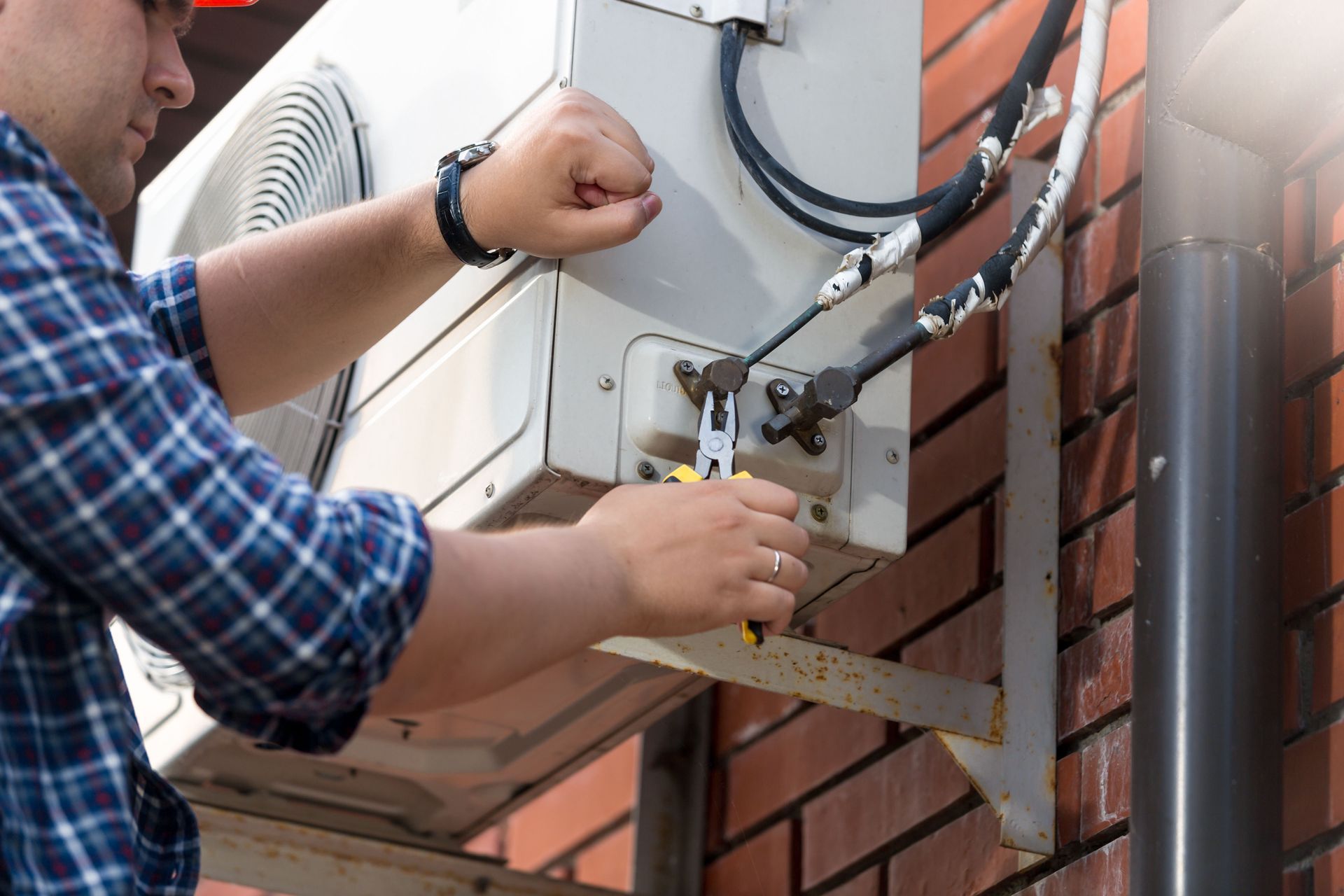
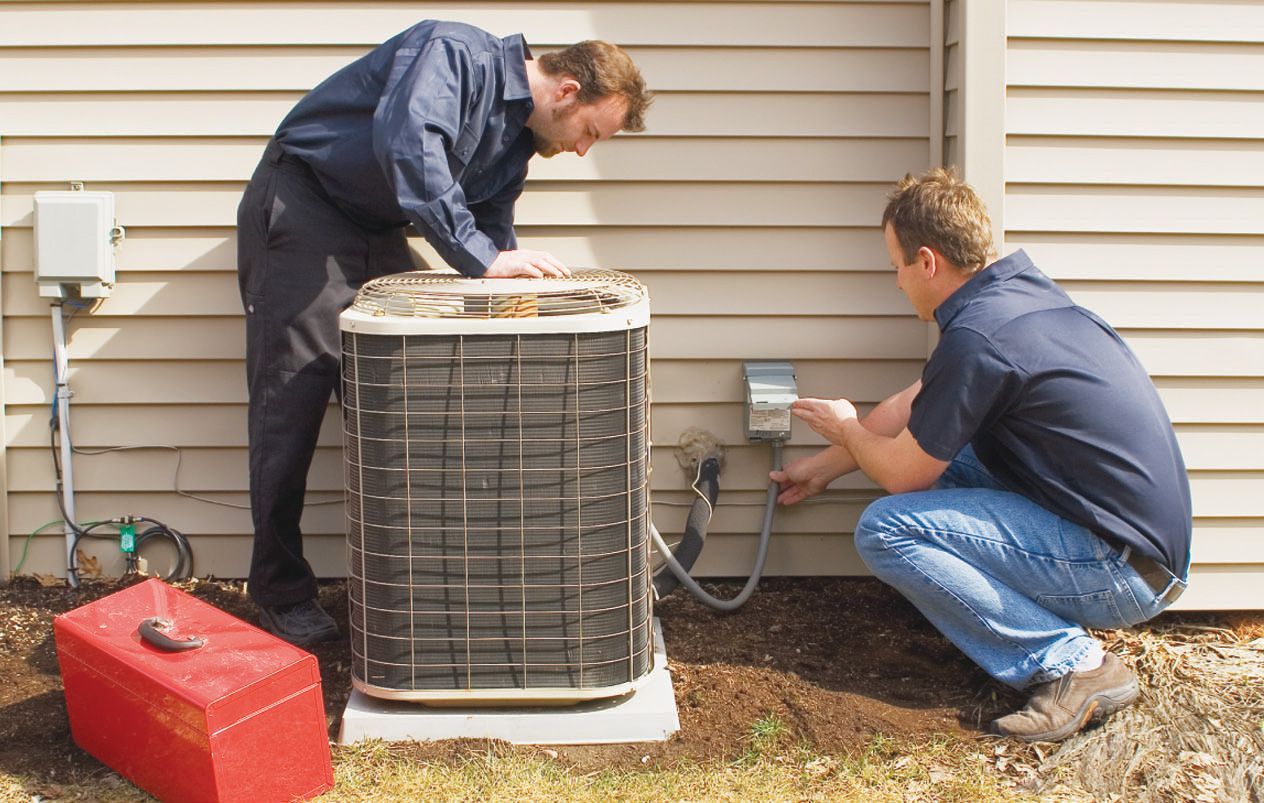
A successful heating and AC install requires clear access to both indoor and outdoor components. Technicians must be able to reach all equipment easily. For exterior units, make sure the installation area is free from vegetation, yard debris, or obstructions. Trim shrubs or branches to allow enough space for proper airflow and safe working conditions.
Indoors, the crew will need access to the furnace cabinet, ductwork, thermostat wiring, and electrical panel. Clear pathways to basements, attics, closets, and utility rooms. If storage items block the equipment, move them in advance to create a safe and efficient work area. Proper access not only helps installers work more quickly but also minimizes the risk of accidental damage to your belongings.
Understand Maintenance Requirements
Long-term system health is just as important as the installation itself. According to Strada, HVAC systems should be serviced twice every 12 months, once in spring and once in autumn. This biannual maintenance keeps both heating and cooling components functioning efficiently, reduces wear and tear, and helps maintain warranty coverage. While it may feel early to think about maintenance before your heating and AC install, understanding these needs now ensures you're prepared for the upcoming tune-up schedule.
Additionally, homeowners should familiarize themselves with basic tasks such as keeping outdoor units free from leaves or debris and monitoring indoor airflow. When your installation is complete, ask your technician to explain the recommended care schedule for both the heating and cooling systems. Staying proactive helps protect your investment and prevents minor issues from developing into more costly repairs.
Choose a System
Modern HVAC systems offer a wide range of features and thermostat options to enhance comfort. Before your heating and AC install, evaluate whether your current thermostat and control setup fit your needs. Certain systems can help regulate temperatures more evenly and reduce energy consumption throughout the year. Many homeowners find that upgrading their thermostat during installation improves overall comfort and convenience.
If you choose to upgrade, determine where the thermostat will be located. It should be positioned in a neutral area, away from direct sunlight, drafts, or heat-producing appliances, to ensure accurate temperature readings. Discuss your heating and cooling habits with your technician so they can recommend the best thermostat model for your lifestyle.
Prepare for Updates
Depending on the age of your home and the type of system you choose, electrical or structural updates may be necessary before your heating and AC install. Older electrical panels may not provide adequate power for modern HVAC systems, and some homes may require a dedicated circuit to safely support the equipment. Technicians will assess these needs during the planning stage, but homeowners can prepare by ensuring the breaker panel and surrounding areas are accessible.
If electrical upgrades or modifications are needed, scheduling this work ahead of time helps prevent installation delays. In some cases, additional improvements may include upgrading wiring, installing a surge protector, or adding a disconnect box near the outdoor unit. These updates help ensure your new system operates safely and effectively once installed.
Protect Your Home
A heating and AC install typically involves technicians moving equipment in and out of your home, navigating tight spaces, and using tools and materials that could impact nearby surfaces. To prepare, consider taking steps to protect your home. Cover furniture near installation areas, remove fragile items, and keep pets or children in another part of the home. Experienced HVAC companies generally take precautions, but setting up your own protective measures offers additional peace of mind.
Also consider the practical logistics of installation day. The crew may require access to your driveway, garage, or side yard to unload equipment and reach outdoor units. Making space ahead of time, or notifying neighbors of additional vehicles, helps the installation proceed smoothly.
Review Service Agreements
Before installation day, take time to review the warranties and service agreements associated with your new heating and cooling system. Understanding what is covered helps you make informed decisions about long-term care. This preparation is especially helpful, as technicians can answer any questions you may have.
Many HVAC companies also offer maintenance and repair services. Considering these options before installation gives you a clear plan for ongoing upkeep, helping ensure your heating and cooling system performs reliably throughout its lifespan.
Experience Installation Day
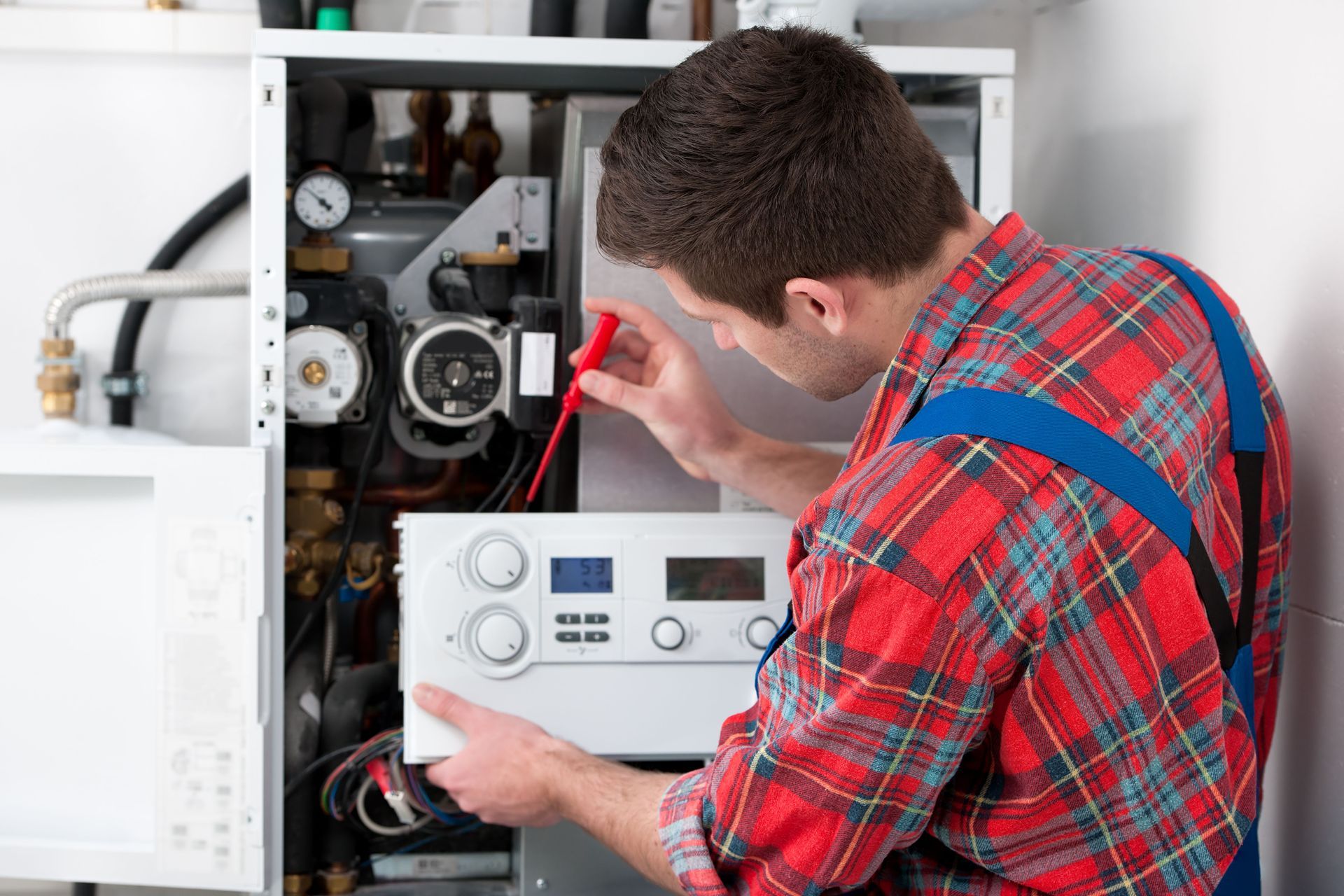
On installation day, your technician will typically begin with a walk-through to confirm the plan, review equipment placement, and answer final questions. During the heating and AC install, the crew will remove the old equipment (if applicable), update necessary connections, place new units, and thoroughly test system components. The duration of the installation depends on your home's layout, ductwork condition, and the type of system being installed.
Once the installation is complete, technicians will test the system to ensure everything functions properly. They'll check airflow, measure temperature output, confirm thermostat calibration, and verify system safety. Be sure to ask questions about operation, maintenance, and system features. The more you understand upfront, the easier it will be to manage your home's comfort efficiently.
Preparing for a new heating and cooling system requires thoughtful planning and an understanding of what the installation process involves. From assessing your home's needs to preparing the installation space and reviewing maintenance requirements, homeowners play a key role in ensuring a smooth, successful experience.
With the right preparation, your heating and AC install can deliver long-lasting comfort, improved efficiency, and year-round reliability. By working closely with your HVAC professionals and taking proactive steps before installation day, you can enjoy the full benefits of a modern, efficient HVAC system for many seasons to come. When you're ready for expert HVAC installation, contact Tom's Quality Comfort Air & Heat.
Share On: